 Skip to content
The Fitness Revolution Has Arrived
Remember when counting steps was considered cutting-edge? Those days are long gone. In 2025, we're witnessing nothing short of a fitness revolution, with wearable technology at its core. For the fifth consecutive year, the American College of Sports Medicine has ranked wearable tech as the #1 fitness trend, but this year feels different. This isn't just an evolution—it's a transformation.
The global wearable tech market is projected to hit a staggering $150 billion this year. But beyond the impressive numbers lies a fundamental shift in how we approach fitness. Today's devices don't just track activity; they understand your body, predict your needs, and guide your training with unprecedented precision.
From Data Collection to Intelligence: The Quantum Leap
Early fitness trackers were essentially glorified pedometers. They counted steps, estimated calories, and occasionally monitored heart rate. Fast forward to 2025, and we're dealing with miniaturized AI coaches strapped to our wrists, embedded in our clothing, and synced to our digital ecosystems.
"What we're seeing now isn't just an improvement in metrics—it's a fundamental shift toward intelligent fitness systems," says Dr. Anita Chen, exercise physiologist at Stanford University. "These devices understand not just what you're doing, but why you're doing it and how to optimize it."
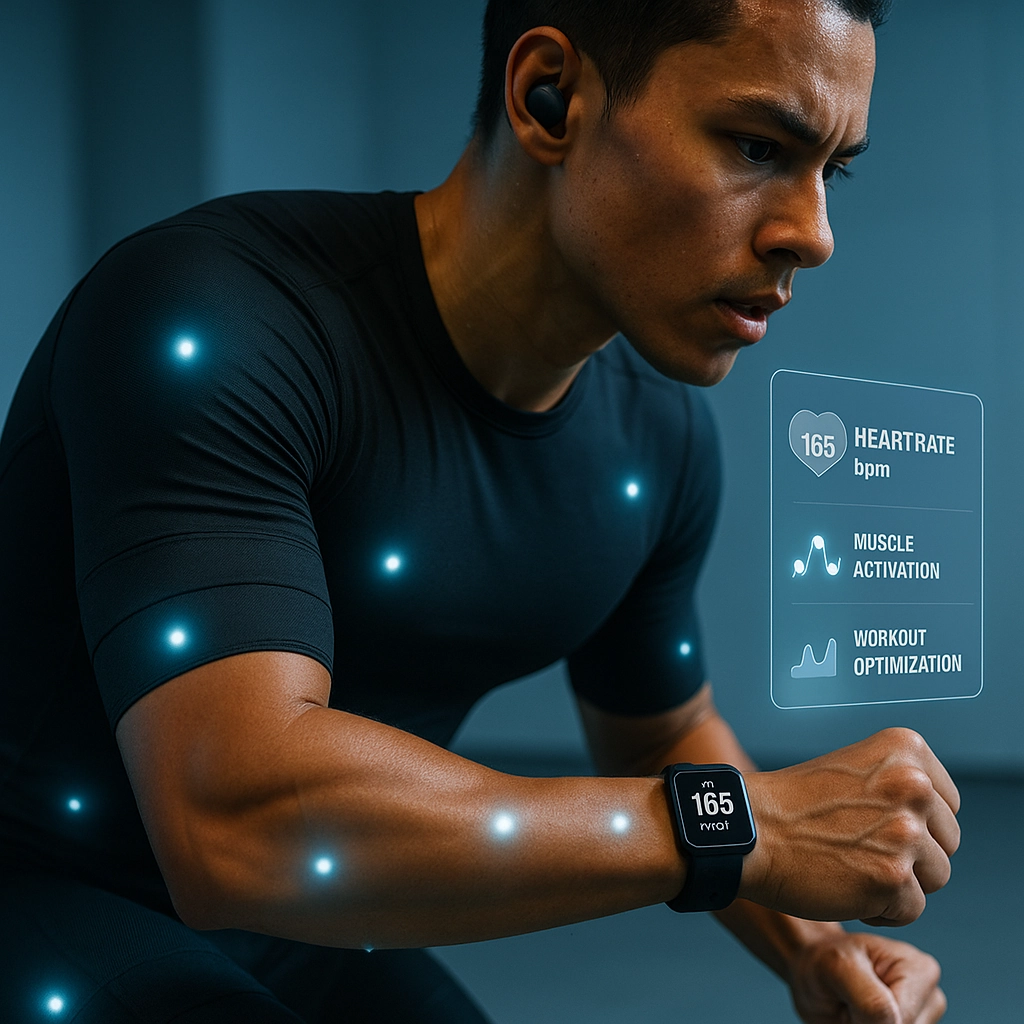
Today's wearables employ multiple advanced technologies:
- AI-driven coaching engines that adjust workouts in real-time based on your fatigue levels, form, and heart rate variability
- Adaptive resistance technology that automatically modifies intensity based on your performance
- Recovery optimization algorithms that prescribe specific protocols based on sleep quality, HRV, and previous training loads
- Stress biomarkers that detect when your body needs rest versus when it can handle increased intensity
The Science of Better Results: Why Wearables Actually Work
The skeptics have been silenced. A 2024 meta-analysis published in the Journal of Sports Medicine examined 47 studies and concluded that training with advanced wearables led to:
- 32% greater strength gains compared to traditional programs
- 27% improved cardiovascular adaptation
- 25% higher adherence to fitness regimens
- 41% better technique and form during exercises
"What makes today's wearables so effective is their ability to eliminate guesswork," explains fitness technologist Marco Ramirez. "Most people either undertrain or overtrain. Smart devices create that perfect Goldilocks zone where maximum results occur."
The latest generation of wearables doesn't just track—it understands the complete picture of your health. By monitoring stress levels, sleep quality, nutrition, and recovery markers alongside exercise data, these devices create truly holistic fitness ecosystems.
Beyond Tracking: Predictive Fitness Technology
Perhaps the most revolutionary aspect of 2025's wearable technology is its predictive capability. Today's devices don't just tell you what you did—they tell you what you should do next.
"The AI systems in current wearables can forecast your energy levels, predict injury risk, and identify your optimal training windows throughout the day," says sports technologist Sophia Williams. "It's like having a crystal ball for your fitness journey."
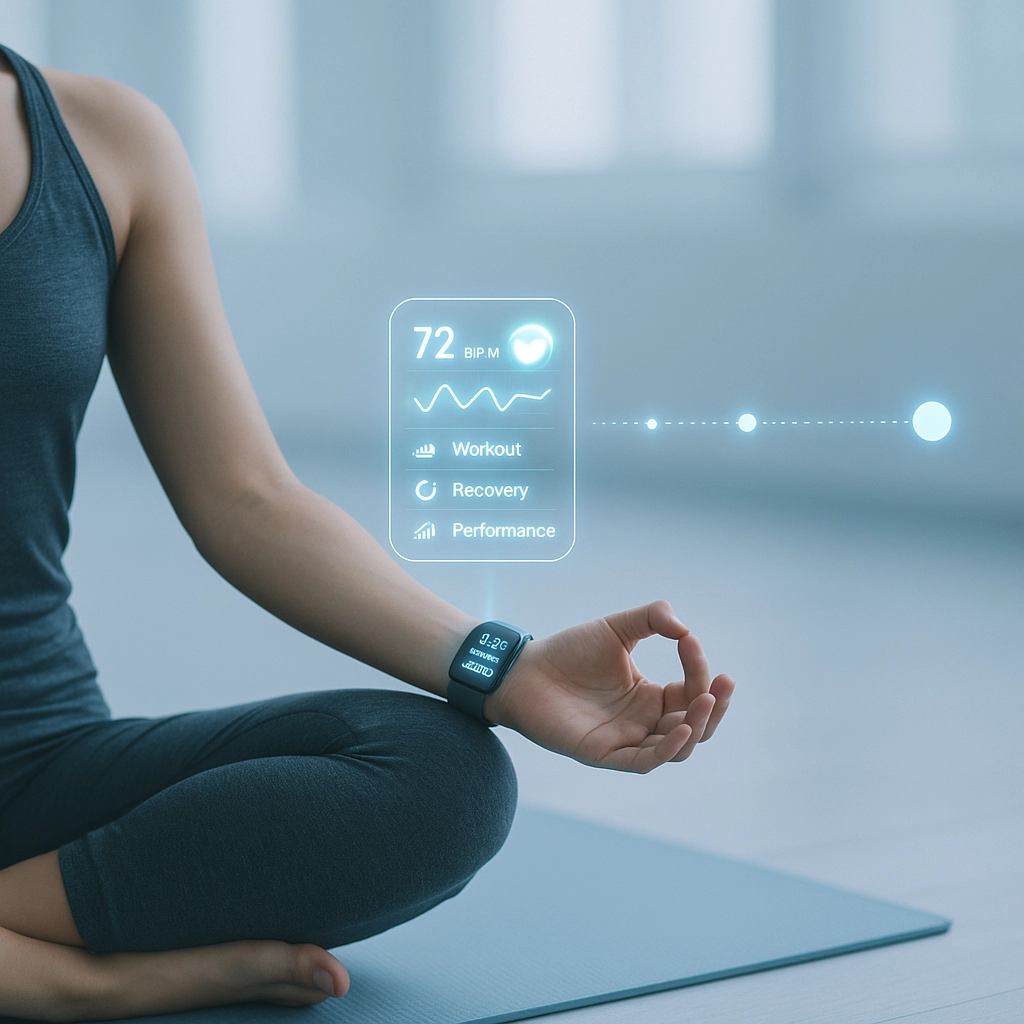
These predictive capabilities manifest in several groundbreaking features:
- Fatigue forecasting: Algorithms that predict when you'll hit the wall during endurance training, allowing for perfectly timed nutrition and hydration
- Injury prevention alerts: Systems that detect subtle changes in movement patterns that precede injuries
- Performance peak prediction: Analysis of biorhythms to identify optimal training times for maximum strength, endurance, or skill acquisition
- Recovery readiness scores: Objective measurements that tell you precisely when your body is ready for the next intense session
The Democratization of Elite Training
Perhaps the most profound impact of smart fitness tech is the democratization of elite training methods. Techniques and analytics once reserved for Olympic athletes and professional sports teams are now available to everyday fitness enthusiasts.
"What excites me most is how these technologies level the playing field," notes former Olympic coach Thomas Lin. "The average person now has access to the same quality of feedback and programming optimization that was once exclusive to world-class athletes."
This democratization takes several forms:
- Form analysis using AI vision systems that previously required expensive motion capture labs
- Physiological load monitoring once restricted to sports science laboratories
- Recovery protocols developed in elite sports now guided by consumer wearables
- Periodization strategies automatically adjusted based on individual response patterns
Beyond the Wrist: The New Frontiers of Wearable Tech
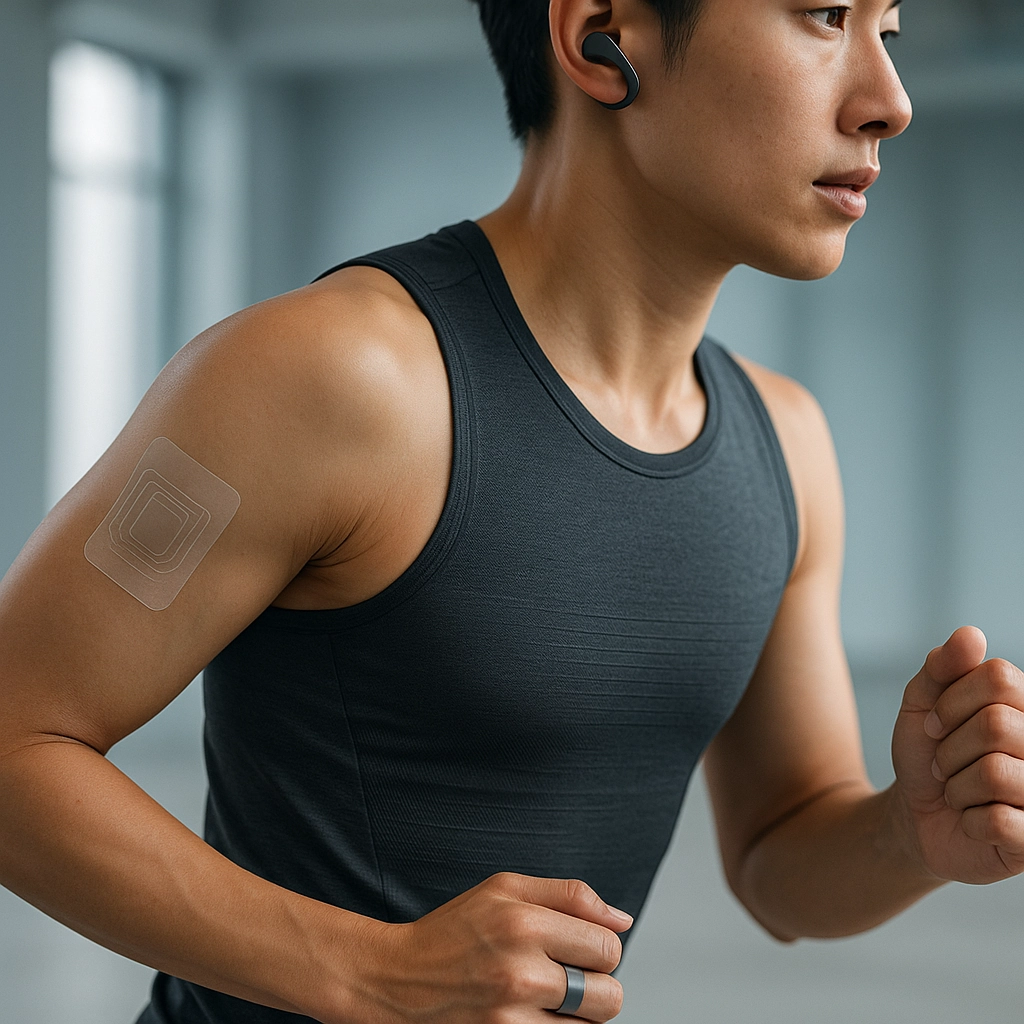
While smartwatches remain popular, 2025 has seen an explosion of innovative form factors that expand what's possible in fitness tracking:
- Smart clothing with embedded sensors that monitor muscle activation patterns, posture, and technique
- Earbuds that track core body temperature and provide real-time coaching via biometric audio
- Rings that monitor sleep stages and recovery metrics with medical-grade accuracy
- Patches that analyze sweat composition for hydration and electrolyte guidance
"We're moving toward invisible technology," explains wearable tech designer Priya Patel. "The most effective fitness tech is the kind you forget you're wearing but that seamlessly enhances your training experience."
The Social Dimension: Community and Accountability
Today's wearables aren't just personal tools—they're social platforms. The connected nature of modern fitness tech creates powerful community effects that drive motivation and adherence.
The data speaks for itself: users who participate in wearable-based communities are 78% more likely to stick with their fitness programs long-term. Virtual challenges, real-time competition, and shared achievements create an ecosystem of accountability that transcends traditional gym environments.
"The social aspects of today's fitness technology tap into fundamental human psychology," explains behavioral scientist Dr. James Rowell. "We're naturally motivated by community, competition, and recognition. Smart wearables leverage these instincts to drive better behaviors."
Integration: The True Game-Changer
Perhaps the most significant development in 2025 is the unprecedented level of integration between wearables and the broader fitness ecosystem:
- Gym equipment that automatically loads your personalized settings when you approach
- Nutrition tracking that adjusts recommendations based on your actual training load
- Sleep systems that optimize your bedroom environment based on recovery needs
- Healthcare platforms that share relevant fitness data with medical providers
This integration creates a seamless experience where your wearable doesn't exist in isolation but serves as the hub for your entire wellness journey.
The Challenges Ahead
Despite the remarkable progress, challenges remain. Privacy concerns continue to evolve as devices collect increasingly intimate biometric data. The digital divide means access to these technologies isn't universal. And there's always the risk of over-reliance on technology at the expense of intuitive body awareness.
"The most sophisticated device is still your body," reminds holistic health practitioner Dr. Maya Rodriguez. "The best wearables enhance your connection to your body's signals rather than replace them."
Conclusion: The Intelligent Fitness Future
As we navigate through 2025, one thing is clear: smart fitness is no longer just about tracking metrics—it's about creating intelligent, personalized systems that optimize every aspect of physical performance and health.
The wearables that succeed will be those that blend cutting-edge technology with genuine understanding of human physiology, psychology, and behavior change. They'll provide not just data but wisdom, not just tracking but guidance.
At Smartwear Fitness, we're proud to be at the forefront of this revolution. Our approach combines advanced sensor technology with AI coaching systems that adapt to your unique physiology and goals. The result isn't just better workouts—it's a fundamentally transformed relationship with fitness.
2025 truly is the year of smart fitness. The question isn't whether wearable technology will revolutionize results—it already is. The question is: are you ready to be part of the revolution?
Visit our shop to explore how our smart fitness solutions can transform your results this year.